Blog AI Geek Programmer
Uczenie maszynowe, computer vision, deep learning i inżynieria sztucznej inteligencji.
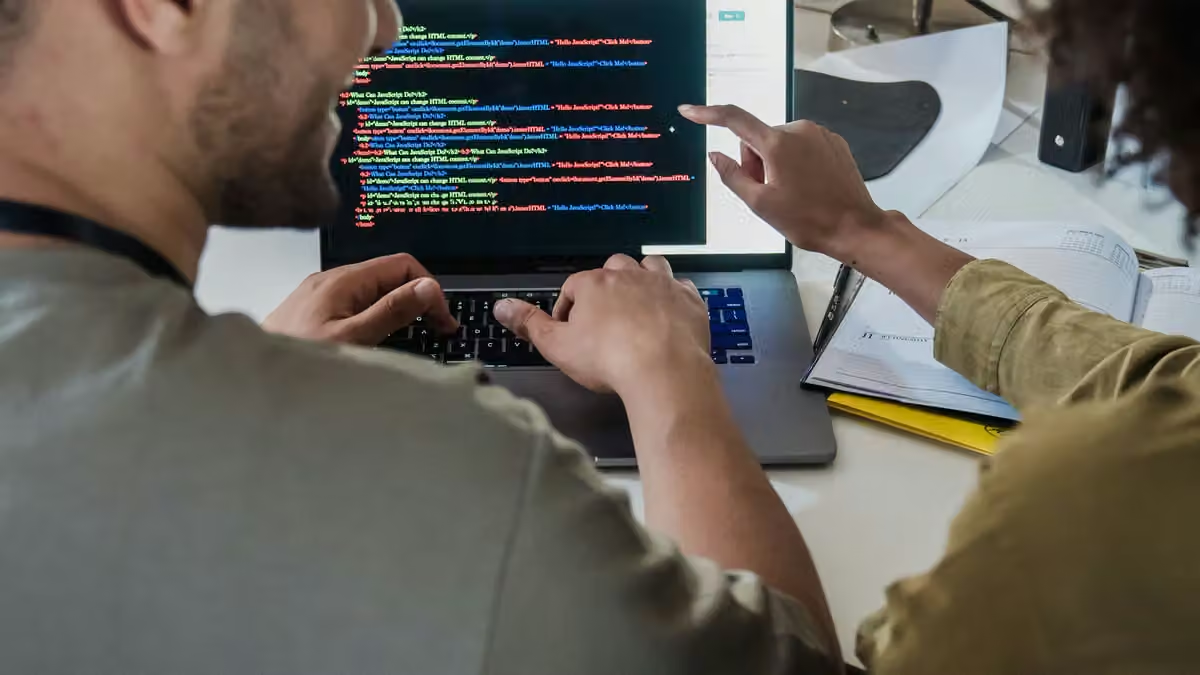
Architektura modularna: klucz do stabilnych systemów AI
- AI Geek Programmer
- 16 listopada 2026
AI systems require modular software engineering. That is the plain answer, and it holds up for a simple reason. AI software is not one thing anymore.
Czytaj artykuł
Jak prompty AI definiują architekturę blockchaina i strukturę kodu
- AI Geek Programmer
- 16 listopada 2026
What happens when an AI prompt is treated like a vague suggestion instead of a software spec?
Czytaj artykuł
Kursy sieci neuronowych na Coursera: kod na GitHubie
- AI Geek Programmer
- 15 listopada 2026
Coursera neural networks courses use GitHub for code.
Czytaj artykuł
Sieci neuronowe naśladują strukturę mózgu do przetwarzania danych
- AI Geek Programmer
- 15 listopada 2026
Neural networks mimic brain structure to process data, but only in a loose way.
Czytaj artykuł
Maszynowe uczenie używa algorytmów; głębokie uczenie sieci neuronowych
- AI Geek Programmer
- 14 listopada 2026
What is the real difference between machine learning and deep learning?
Czytaj artykuł
AIMA definiuje sztuczną inteligencję jako racjonalne agenty maksymalizujące oczekiwaną użyteczność
- AI Geek Programmer
- 14 listopada 2026
AIMA does define AI through rational agents, and the cleanest short version is this: an AI system is an agent that acts to get the best expected outcome under.
Czytaj artykuł
AI to głównym celem nowych zagrożeń cybernetycznych
- AI Geek Programmer
- 13 listopada 2026
AI systems are prime targets for new cyber threats because they hold valuable data and make decisions through complex software.
Czytaj artykuł
Sieci neuronowe uczą się, dostosowując wagi połączeń
- AI Geek Programmer
- 13 listopada 2026
Neural networks learn by adjusting connection weights.
Czytaj artykułKategorie
Tagi
- uczenie maszynowe
- sztuczna inteligencja
- głębokie uczenie
- programowanie python
- rozpoznawanie kształtów
- biblioteka keras
- konwolucyjne sieci neuronowe
- biblioteka numpy
- zbiór cifar10
- convnety
- biblioteka tensorflow
- over-fitting
- środowisko anaconda
- zbiór mnist
- biblioteka pytorch
- generowanie danych uczących
- środowisko programistyczne
- technika dropout
- uczenie na gpu
- model językowy
- scikit learn
- architektura transformer
- normalizacja batchowa
- blockchains
- zbiór digits
- colab
- hugging face
- covariate shift
- knn
- regresja logistyczna