Blog AI Geek Programmer
Uczenie maszynowe, computer vision, deep learning i inżynieria sztucznej inteligencji.
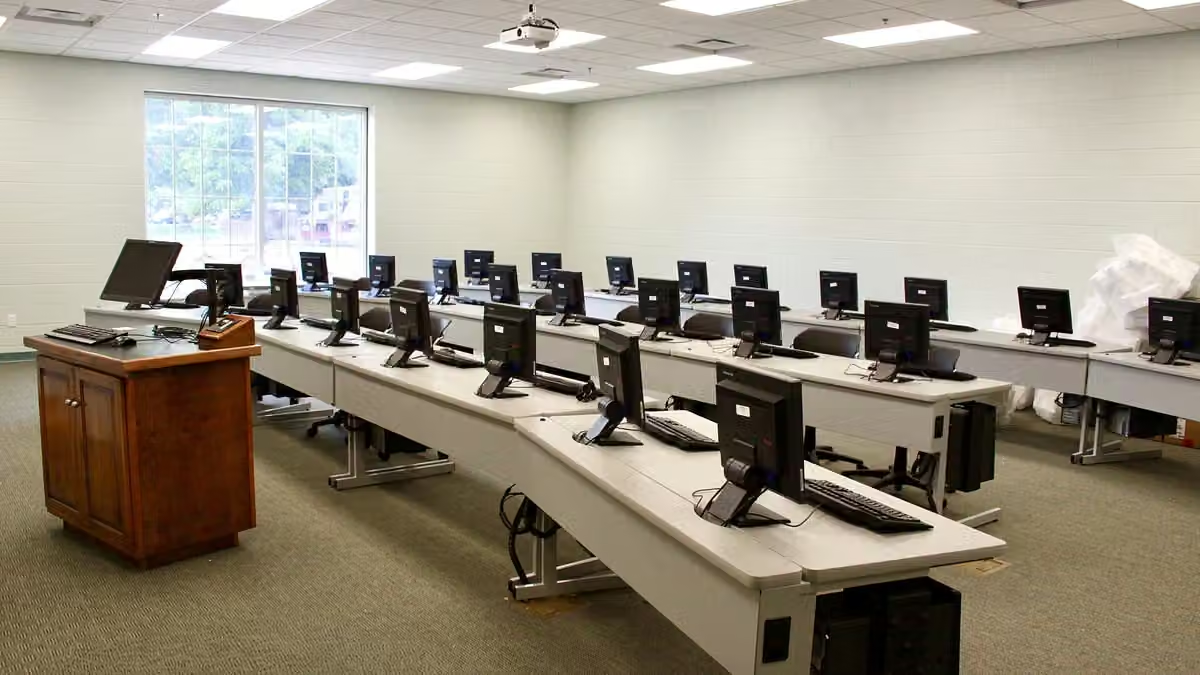
ML uczy się lepiej, gdy ma więcej danych i jasne cele
- AI Geek Programmer
- 4 listopada 2026
What does a machine learning system actually learn from, and why does more data help so much?
Czytaj artykuł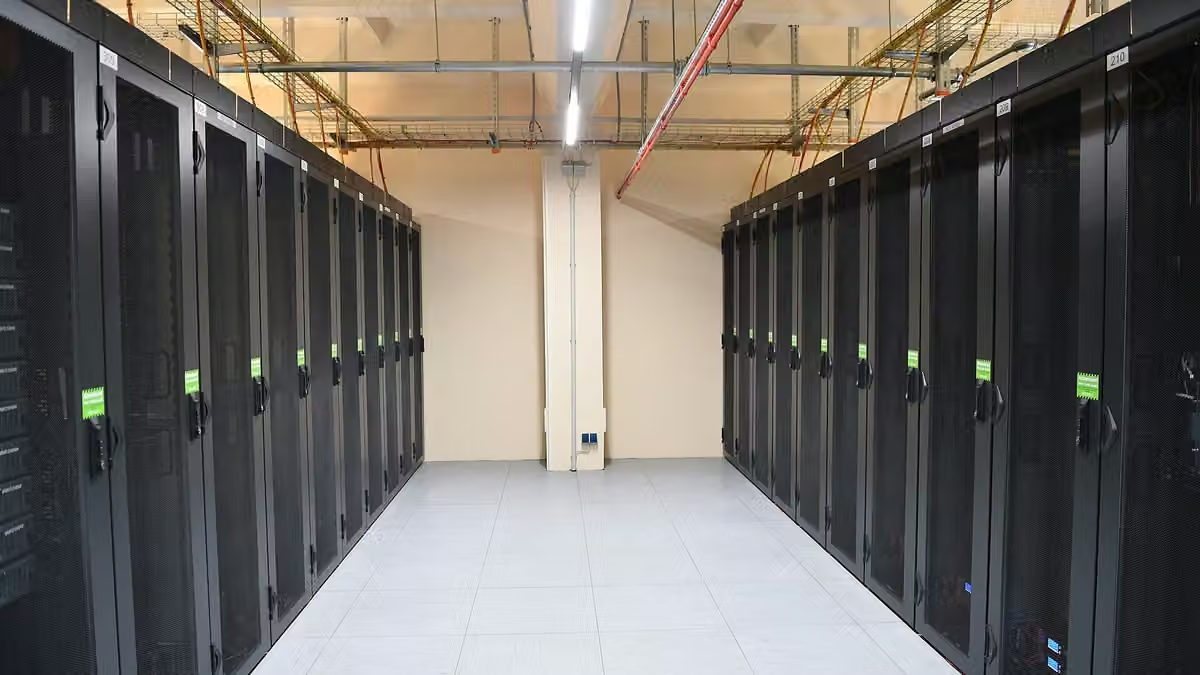
Nauka o danych potrzebuje architektury AI, by dostarczać skalowalne wnioski
- AI Geek Programmer
- 4 listopada 2026
Data science relies on AI architecture for scalable insights. That sounds clean, and in practice it is messy in the same useful way most real systems are.
Czytaj artykuł
Sieci neuronowe uczą się poprzez ważone połączenia
- AI Geek Programmer
- 3 listopada 2026
Neural networks learn by changing weights. That is the core idea, and it is the part worth keeping in mind when the topic feels larger than it is.
Czytaj artykuł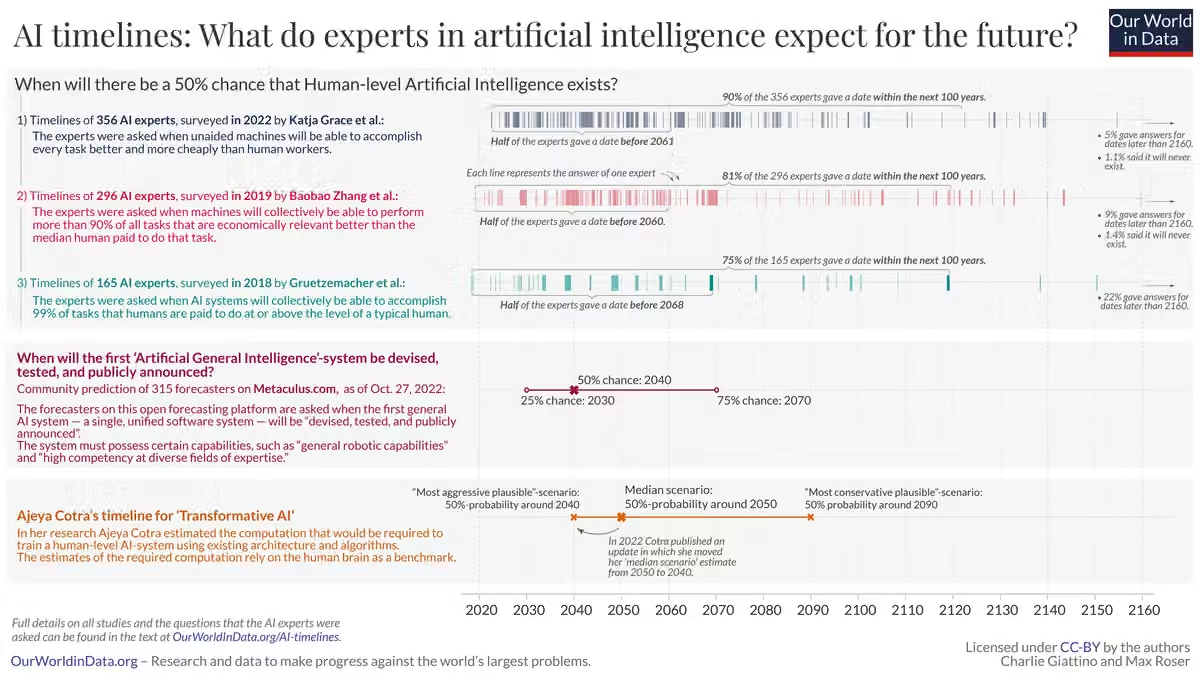
Podsumowanie modułu: podstawy AI i inżynieria promptów
- AI Geek Programmer
- 3 listopada 2026
Artificial intelligence has too many names.
Czytaj artykuł
Systemy AI opierają się na infrastrukturze usług chmurowych
- AI Geek Programmer
- 2 listopada 2026
AI systems rely on cloud service infrastructure.
Czytaj artykuł
Sieci neuronowe imitują ludzki mózg, by rozwiązywać złożone problemy
- AI Geek Programmer
- 2 listopada 2026
Neural networks mimic the human brain, but only in a loose way. That is the part people often miss.
Czytaj artykuł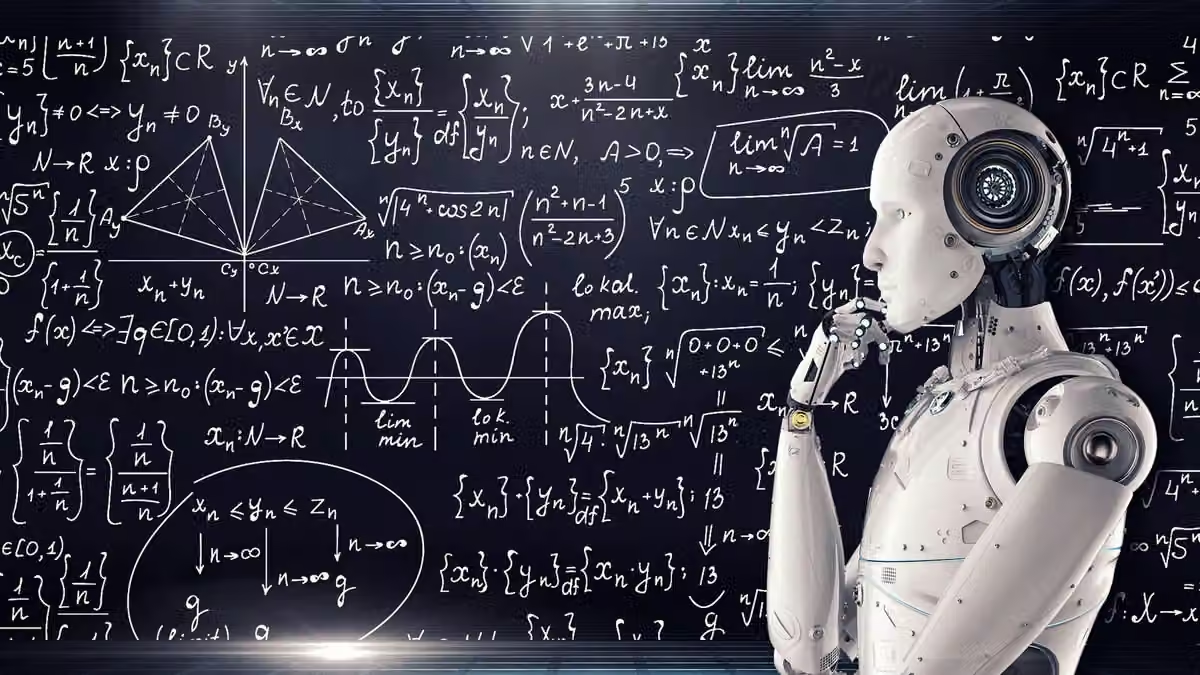
Systemy AI centralizują usługi, aby zapewnić jednolite zarządzanie
- AI Geek Programmer
- 2 listopada 2026
AI systems centralize services for unified management. That is the clean answer, and it is usually the reason teams build them in the first place.
Czytaj artykuł
AI to parasol, ML to metoda, DL to podejście neuronowe
- AI Geek Programmer
- 2 listopada 2026
What sits inside AI, and why do people keep mixing it up with machine learning and deep learning?
Czytaj artykułKategorie
Tagi
- uczenie maszynowe
- sztuczna inteligencja
- głębokie uczenie
- programowanie python
- rozpoznawanie kształtów
- biblioteka keras
- konwolucyjne sieci neuronowe
- biblioteka numpy
- zbiór cifar10
- convnety
- biblioteka tensorflow
- over-fitting
- środowisko anaconda
- zbiór mnist
- biblioteka pytorch
- generowanie danych uczących
- środowisko programistyczne
- technika dropout
- uczenie na gpu
- model językowy
- scikit learn
- architektura transformer
- normalizacja batchowa
- blockchains
- zbiór digits
- colab
- hugging face
- covariate shift
- knn
- regresja logistyczna