AI Geek Programmer Blog
Machine learning, computer vision, deep learning and artificial intelligence engineering.
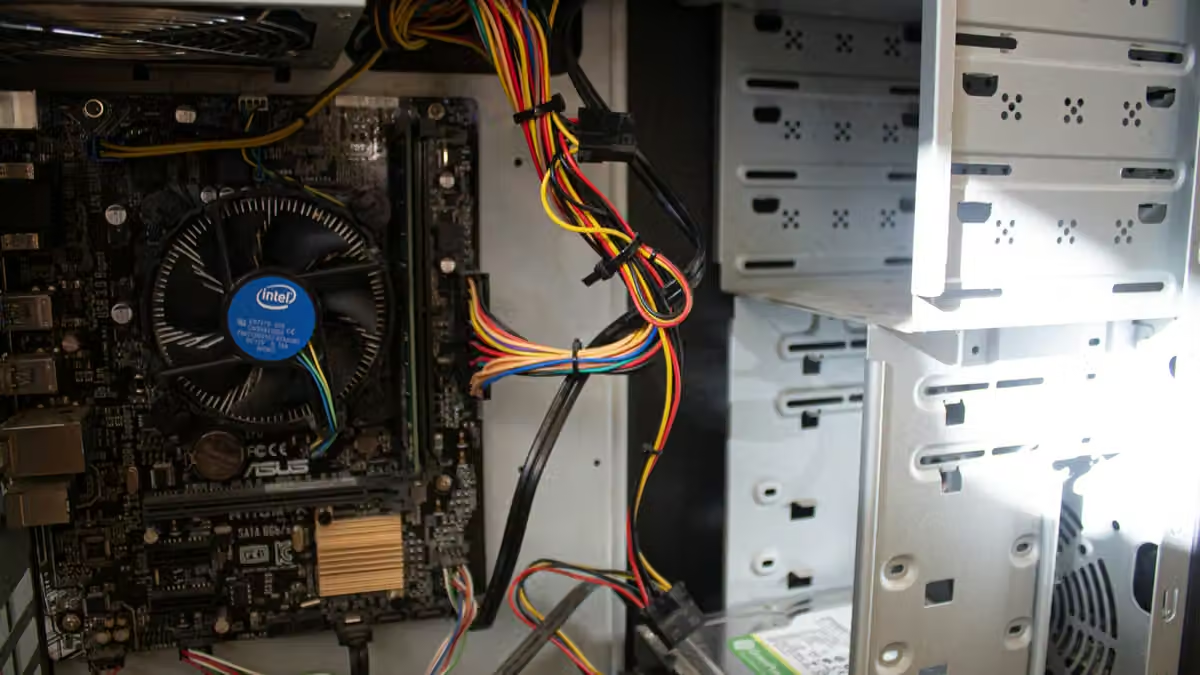
AI security requires zero trust architecture
- AI Geek Programmer
- 9 November 2026
I keep coming back to one plain fact: AI systems are not safe by default. They touch data, tools, prompts, memory, and services.
Read article
Deep learning uses neural networks to process data
- AI Geek Programmer
- 9 November 2026
Deep learning uses neural networks to process data. That is the clean answer, and it is the one that matters first.
Read article
Machine learning uses data to find patterns without coding
- AI Geek Programmer
- 8 November 2026
What does machine learning actually do when nobody writes a rule for every case?
Read article
Software is code that instructs computer hardware to perform tasks.
- AI Geek Programmer
- 8 November 2026
I keep coming back to one plain fact: software is code that tells hardware what to do. That is the core answer, and it is enough to start with.
Read article
Artificial Neural Networks power modern AI
- AI Geek Programmer
- 7 November 2026
Artificial Neural Networks power modern AI.
Read article
Neural networks power reverse image search
- AI Geek Programmer
- 7 November 2026
Neural networks power reverse image search. That is the short answer, and it is the useful one.
Read article
AI systems rely on distributed architecture for high-speed service
- AI Geek Programmer
- 6 November 2026
AI systems rely on distributed architecture for high-speed service. A single computer can run a small model, but busy AI services need many workers.
Read article
Cuml accelerates GPU machine learning with optimized algorithms
- AI Geek Programmer
- 6 November 2026
Cuml answers a simple problem: how do you keep familiar machine learning code, but make it run much faster on a GPU?
Read articleTags
- machine learning
- artificial intelligence
- deep learning
- shape recognition
- python
- keras
- convolutional neural networks
- numpy
- cifar10
- convnets
- tensorflow
- ai
- overfitting
- anaconda
- mnist
- pytorch
- data augmentation
- development environment
- dropout
- GPU
- nlp
- scikit-learn
- transformer architecture
- batch normalization
- blockchain
- digits dataset
- google colab
- huggingface
- internal covariate shift
- k-nn